
The Italian Prisoner of War Camp at Henllan, West Wales: A Remarkable Story of Faith, Craftsmanship & Survival
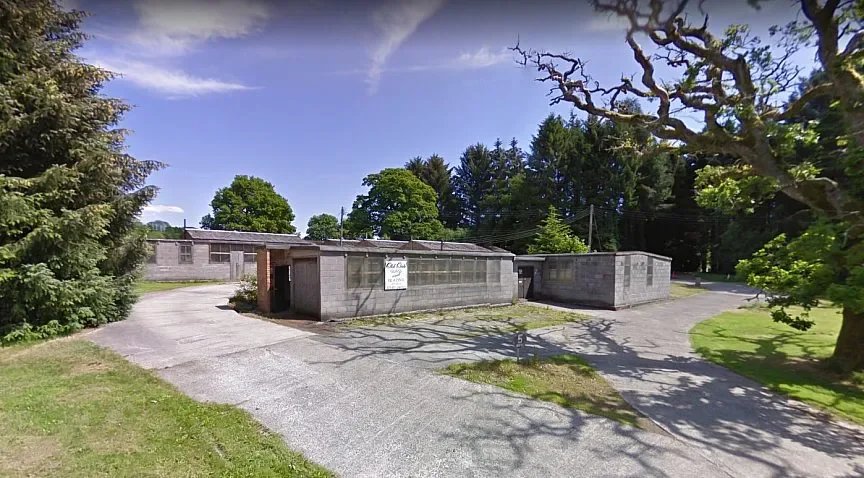
The Prisoner of War Camp at Henllan today
The Italian Prisoner of War Camp at Henllan, West Wales: History, the Handmade Church & How to Visit
Hidden in the quiet countryside near Henllan, Ceredigion, stands one of Wales’ most remarkable wartime sites: the Italian Prisoner of War Camp, known during WWII as Camp 70. Today, the camp’s most extraordinary surviving feature is its hand‑built Italian chapel, a place of worship created entirely from scrap materials by prisoners who were thousands of miles from home.
This guide explores the history of the camp, the incredible craftsmanship behind the chapel, and how you can visit this unique heritage site in West Wales.
What Was the Italian POW Camp at Henllan?
The Henllan camp was built between 1940 and 1941 and later housed more than 1,200 Italian prisoners of war, many captured in North Africa. The men arrived in 1943 and were placed in a network of around 35 huts, including dormitories, a hospital, workshops, and a theatre.
The prisoners worked on local farms across Ceredigion and Pembrokeshire, becoming a familiar part of rural life. Many locals still recall stories passed down from parents and grandparents who worked alongside them.
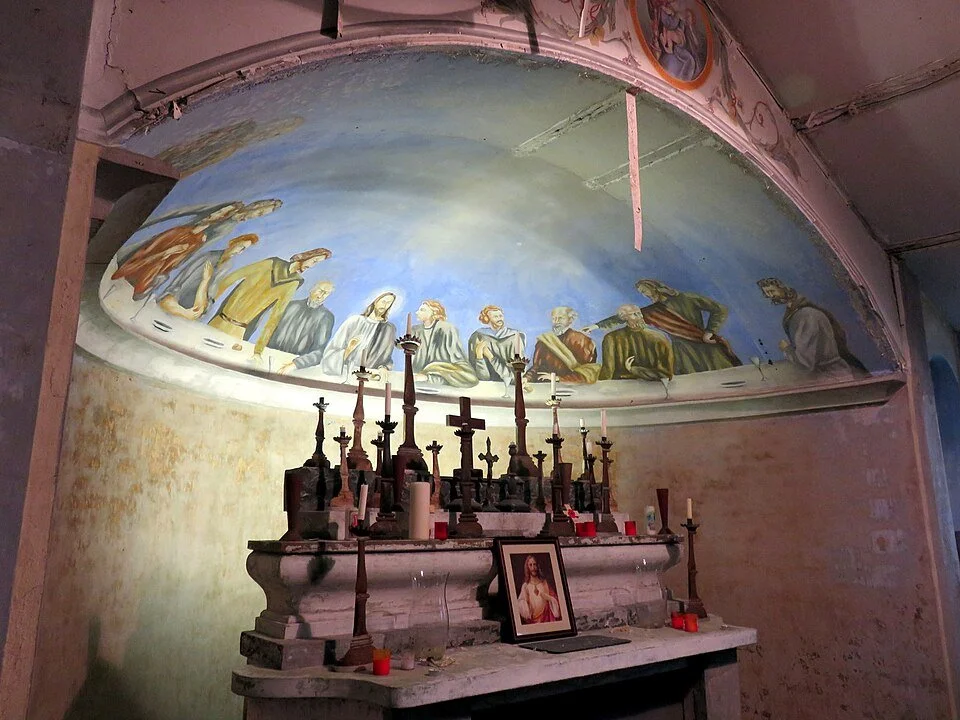
Italian Art in the Prisoner of War Chapel at Henllan
The Handmade Italian Chapel: A Masterpiece of Ingenuity
The most extraordinary surviving structure from Camp 70 is the Italian chapel, known locally as Capel Eidalwyr (“The Italians’ Chapel”). It was created when the prisoners were granted permission to convert a simple Nissen hut into a place of worship.
How the Chapel Was Built
Despite having almost no materials, the prisoners transformed the hut using:
Wood from packing crates
Cement bags and plaster scraps
Roofing felt and tin sheeting
Homemade pigments mixed with fish oil
Hand‑painted murals inspired by Italian churches
The interior features:
A beautifully painted altar
Decorative arches
Faux‑marble columns
Religious murals and symbols
Intricate detailing created with nothing but brushes, rags, and improvised tools
The work was led by skilled craftsmen among the prisoners, including painters, carpenters, and decorators. The chapel was completed and consecrated in 1944, becoming a vital spiritual refuge.
Why the Henllan POW Chapel Matters Today
The chapel is one of the best‑preserved Italian POW chapels in the UK, and a rare example of wartime creativity, resilience, and faith. It stands as a reminder of:
The humanity shared between prisoners and local communities
The artistic skill of the Italian craftsmen
The emotional need for beauty and spirituality during hardship
It is now protected as a Grade II listed building.
How to Visit the Italian POW Chapel at Henllan
The chapel is located on private land but is open to the public on designated open days throughout the year. These are usually organised by local heritage groups and volunteers.
Visiting Information
Location: Near Henllan, Ceredigion, West Wales
Access: Via guided tours or open days
Parking: Limited — visitors are encouraged to follow event guidance
Photography: Usually permitted, but always check on arrival
For the most accurate visiting times, search for “Henllan Italian Chapel open days” or check local tourism listings.
Why You Should Visit
If you’re exploring West Wales, the Henllan Italian Chapel is a powerful and unexpected piece of history. It’s ideal for:
History enthusiasts
Heritage trail explorers
Families
Photographers
Anyone interested in WWII stories
The combination of rural Welsh landscape and Italian craftsmanship makes it unlike any other site in the region.