
Cardigan Castle, home of the National Eisteddfod
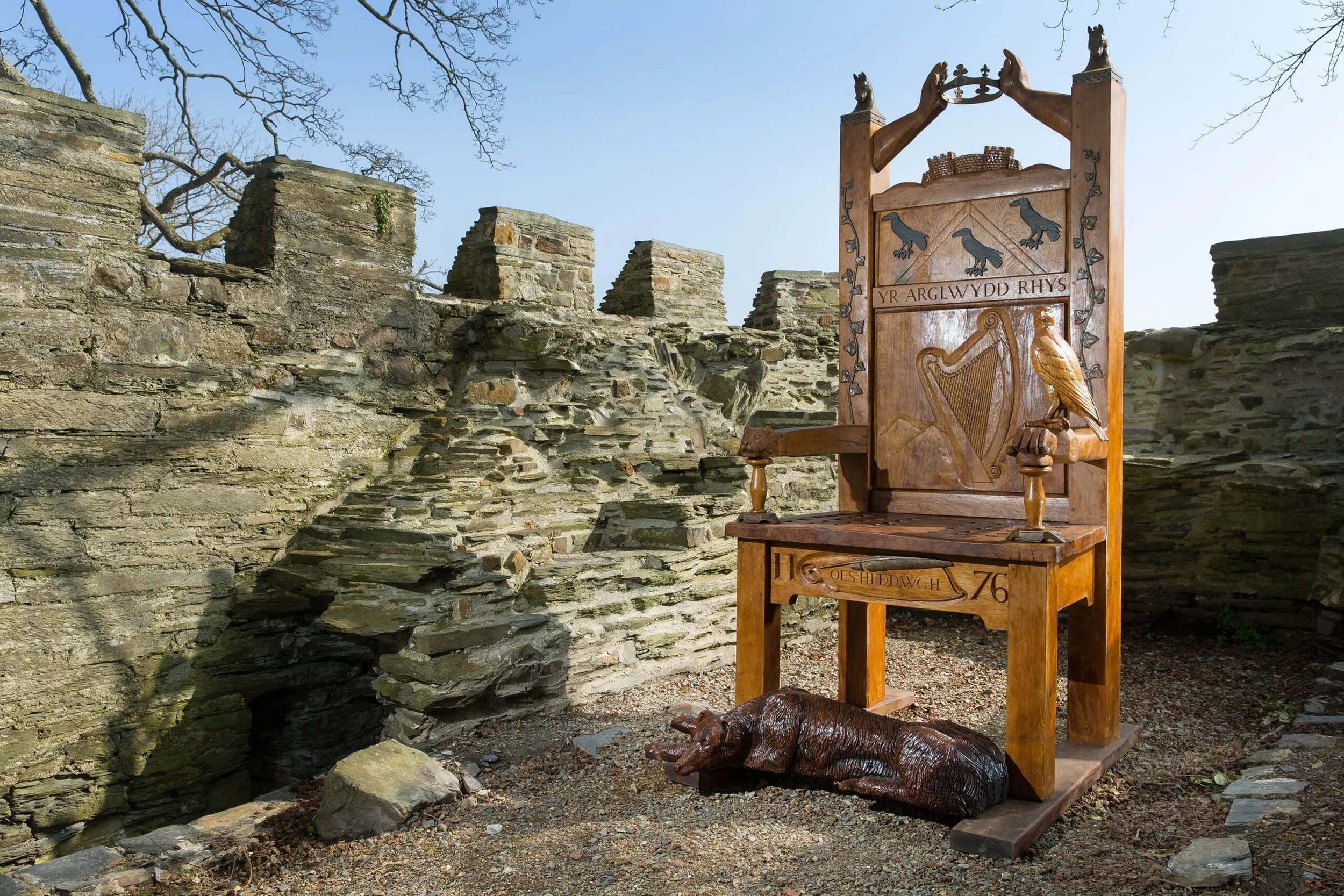
A scaled-up and reimagined version of the first Eisteddfod Chair
Welsh people love music, that’s a well known fact, and an important part of Welsh culture is the Eisteddfodau, featuring competitive music and poetry, amongst other things.
Cardigan Castle is proud of being the venue for the first recorded Eisteddfod, as far back as 1176, under the patronage of Lord Rhys ap Gruffydd, thus forming the foundation of Wales’s long-standing cultural festival tradition. In 1176, Rhys ap Gruffydd, commonly known as Lord Rhys, had unified the region of Deheubarth in southwest Wales and established a period of relative stability following years of conflict with English and Norman forces.
To celebrate the completion of the stone reconstruction of Cardigan Castle, Rhys organized a grand cultural gathering during Christmas, inviting bards and musicians from across Wales, as well as participants from Ireland and France. This event is now widely regarded as the earliest recorded Eisteddfod, although the term itself was not used until several centuries later.
According to medieval records, poets answered each other in rhymed verse, demonstrating their skill and mastery of Welsh bardic traditions. Music competitions also took place, with the winners receiving chairs as prizes—a notable honor, as chairs were traditionally symbols of high status.
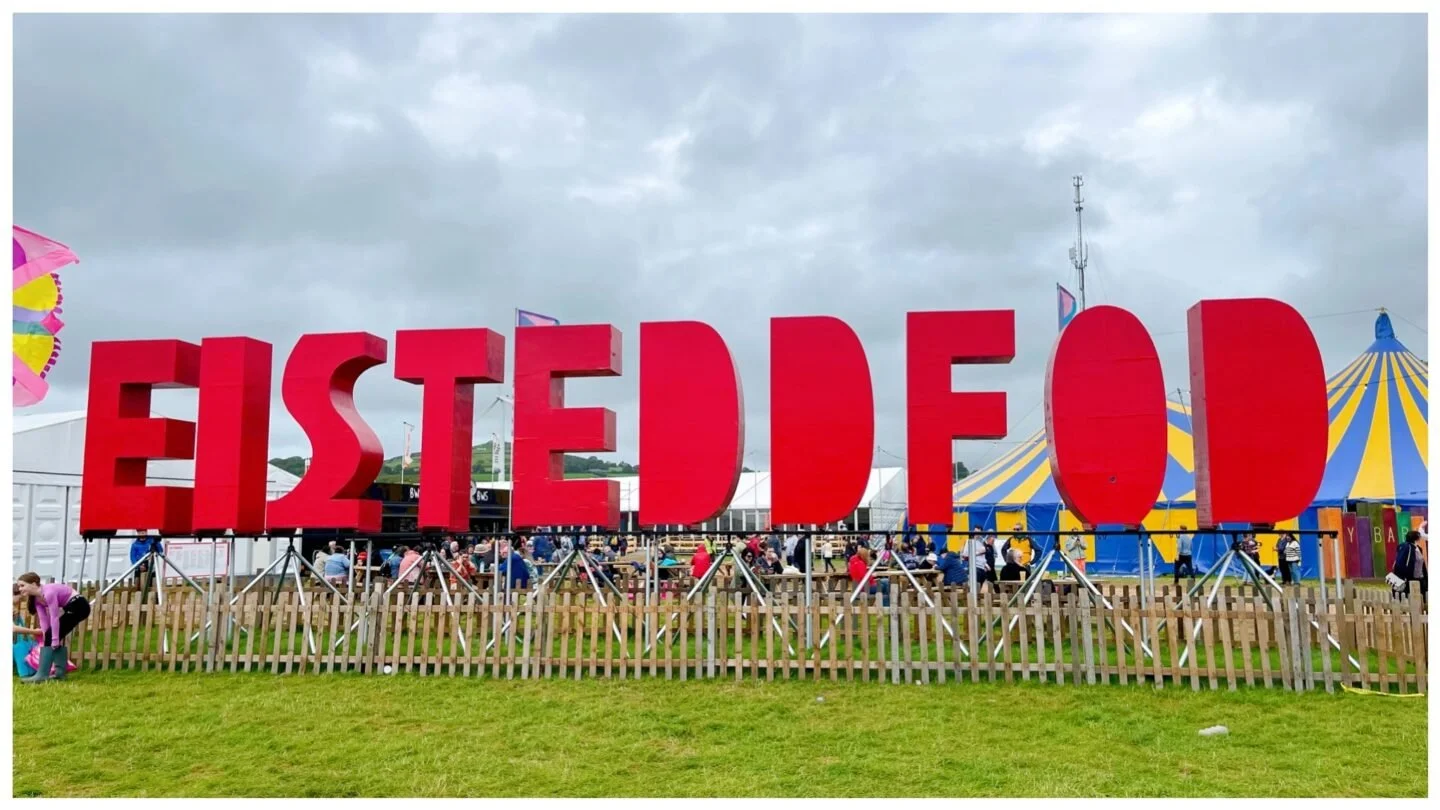
The National Eisteddfod
The 1176 Eisteddfod set a precedent for the competitive arts in Wales, although formal records of such events then lapsed until the mid-15th century in Carmarthen. Over the following centuries the tradition evolved, eventually leading to the modern National Eisteddfod of Wales, which continues to celebrate Welsh literature, music, and culture. It remains a milestone in the preservation and promotion of the Welsh language and its artistic expression, illustrating a heritage that has endured for more than eight centuries, and is the central focus for the year in Wales for many school children and adults alike, with competitions in poetry and music, singing, dance, art, cooking and much more.
…and if you have ever wondered why the restaurant at the Castle in Cardigan is called the 1176, now you know…!